
Wildlife Sanctuaries in kerala
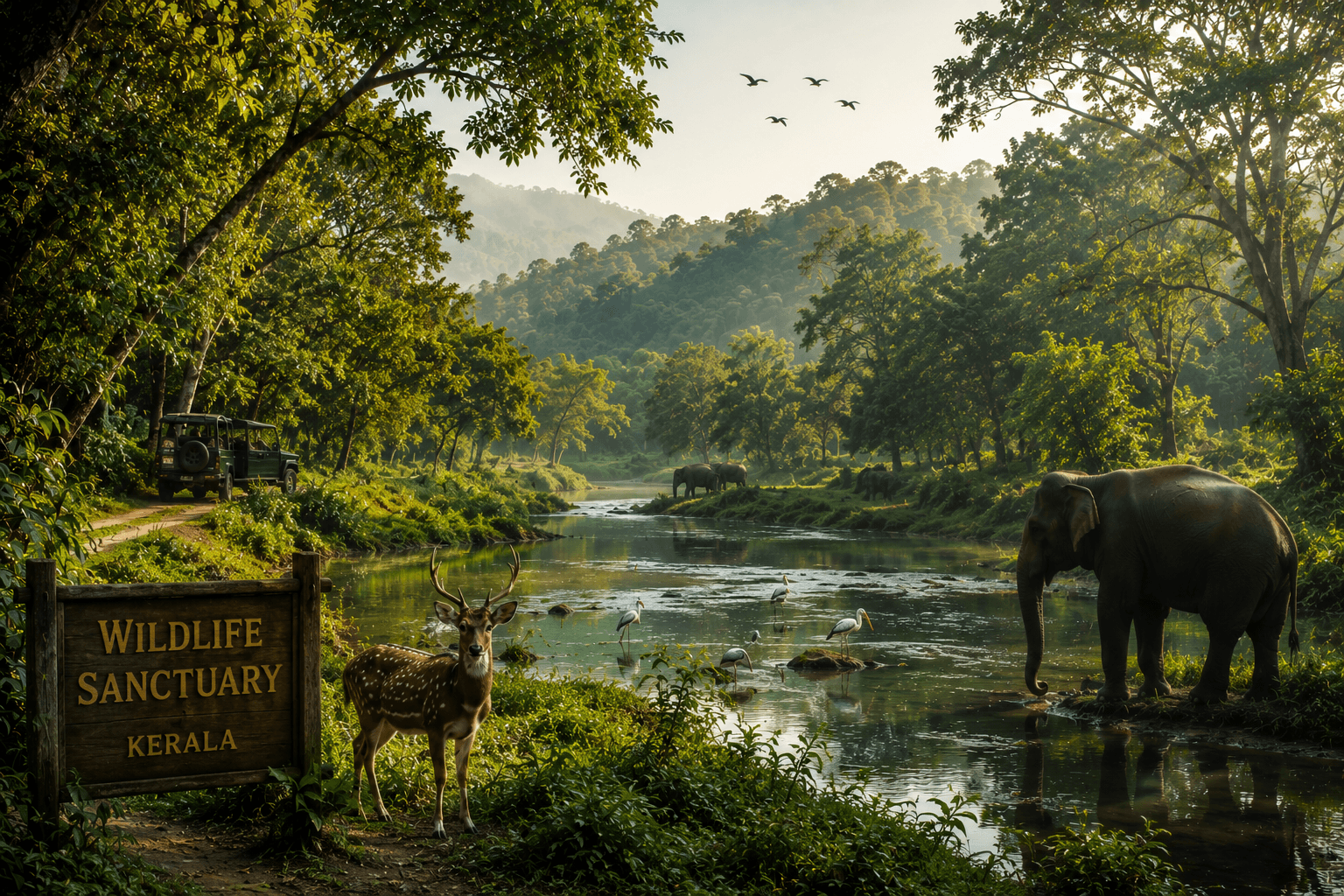
Wildlife Sanctuaries in kerala
An Ecological Assessment of Wildlife Sanctuaries in Kerala
Kerala holds a major slice of the Western Ghats, a UNESCO World Heritage site known for rich biodiversity and rare, native species. Travelers who want to understand these intricate ecosystems can learn a great deal by studying the major Wildlife Sanctuaries in Kerala. These reserved areas offer vital shelter to threatened animals. Exploring these zones is necessary for researchers and nature lovers alike. This review looks closely at their local habitats, native wildlife, and preservation methods.
How Geography Shapes the Diversity of Wildlife Sanctuaries in Kerala
Kerala sits on the wet windward slope of the Western Ghats mountain range. Because of this, the region receives a massive annual rainfall, measuring between 2500 mm and 5000 mm. Water is everywhere. This extreme moisture supports a wide range of habitats, from dense tropical evergreen jungles to high-altitude shola grasslands. The state has set aside over 3200 square kilometers for nature reserves. This represents nearly 28 percent of the total forest land in the region. Within these borders, researchers have recorded over 500 bird species and over 140 different mammals, alongside hundreds of reptiles. Deep mountain valleys and soaring peaks create isolated local climates. These spaces allow rare animals, like the Nilgiri tahr and the lion-tailed macaque, to survive. These forests serve as vital natural pathways. They let animals move freely and breed across state lines into Karnataka and Tamil Nadu, preventing genetic isolation.
Diverse Ecosystems in Wildlife Sanctuaries in Kerala
Different reserves play very different roles. Take the Wayanad Wildlife Sanctuary, set up in 1973. It covers 344.4 square kilometers and belongs to the larger Nilgiri Biosphere Reserve. This reserve holds the highest concentration of Asian elephants in the region. Foresters track their seasonal journeys closely. Travel further south and you find the Periyar Tiger Reserve. While it is mostly known as a national park, it connects with nearby wooded zones that serve as crucial Wildlife Sanctuaries in Kerala. Spanning 925 square kilometers, Periyar is famous for its massive reservoir. Created by the Mullaperiyar Dam in 1895, this lake acts as the main water source for animals when the dry season hits. Meanwhile, Chinnar Wildlife Sanctuary offers a completely different world. It sits in the dry rain shadow of the mountains, receiving under 1000 mm of rain each year. In this dry, scrubby woodland lives the rare grizzled giant squirrel. This sanctuary hosts one of the last remaining viable populations of these squirrels in the region.
Forest Guarding and Preservation in Wildlife Sanctuaries in Kerala
Protecting these wilderness areas takes serious work. It requires a mix of science and help from local forest dwellers. State foresters introduced the Joint Forest Management program to get tribal villages involved in anti-poaching drives and forest repair. This policy works. In the Parambikulam Tiger Reserve and neighboring areas, the state employs over 200 tribal youth as forest guards. Their presence has drastically reduced illegal logging and poaching across these protected zones. Guards use high-tech satellite tracking tools like M-STrIPES to map their foot patrols and note animal locations instantly. Rangers also work to clear out aggressive non-native weeds. Exotic plants like Lantana camara and Senna spectabilis are spreading fast, choking the native grass that deer and bison eat. To counter this, forestry teams actively uproot these invasive species and restore native grasslands. This keeps the meadows fresh, providing plenty of food for grazing herds and keeping the food chain intact for tigers and leopards.
Travel Tips for Visitors to Wildlife Sanctuaries in Kerala
If you plan to visit, you must follow strict forest rules. These rules protect the animals from human disturbance. The best months to see wildlife are October through March. During this time, the weather is pleasant, hovering between 18 and 30 degrees Celsius, making trail walks comfortable. You have to buy your entry permits online through the official state forest department website before you arrive. Do not bring single-use plastics. Rangers at the gates check every bag and tag plastic bottles to make sure you bring them back out with you. In places like Neyyar and Peppara, quiet electric vehicles have replaced loud diesel trucks. This helps keep the forests peaceful so nesting birds and shy mammals are not scared away. For the best experience, hire a local guide. These neighborhood trackers know the paths, understand animal signs, and can point out native medicinal plants.
The Broader Environmental Role of Wildlife Sanctuaries in Kerala
Saving these woodlands does much more than save wild beasts. The mountain catchments inside the Wildlife Sanctuaries in Kerala feed 41 rivers that flow west. This water supply keeps more than 33 million people alive. Up in the canopy, thick foliage drinks in carbon dioxide. These forests work as massive sponges against global warming. Researchers from the Kerala Forest Research Institute found that these woods store nearly 150 metric tons of carbon per hectare. Keeping these tree roots intact also stops soil from washing down steep mountainsides. This prevents deadly mudslides when the heavy monsoon rains arrive. Keeping these forests standing is a vital shield for the safety and survival of the entire region.
Ultimately, saving the Western Ghats relies on keeping these grand reserves intact. Watching over the Wildlife Sanctuaries in Kerala teaches us three main lessons. First, we need local people to lead the protection work. Second, we must actively manage the land to stop aggressive weeds. Third, we must recognize that these forests keep our rivers running. Saving these wild spaces ensures that rare species survive while securing clean water and safety for the people who live nearby. Keeping these forests alive requires a shared promise from the state, local villages, and every traveler who walks these trails.

All Categories
- Adventure Treks
- Best Ecotourism Destinations in Kerala
- Bird Sanctuaries
- District-wise Ecotourism Guides
- Ecotourism Destinations
- Famous Waterfalls
- Forest Walks
- Hidden Nature Destinations
- Hidden Waterfalls
- Monsoon Waterfalls
- Mountain Hiking
- National Parks
- Offbeat Places to Visit
- Tiger Reserves
- Trekking & Hiking
- Trekking Trails
- Uncategorized
- Waterfalls of Kerala
- Wildlife & National Parks
- Wildlife Photography Spots
- Wildlife Sanctuaries