
District-wise Ecotourism Guides
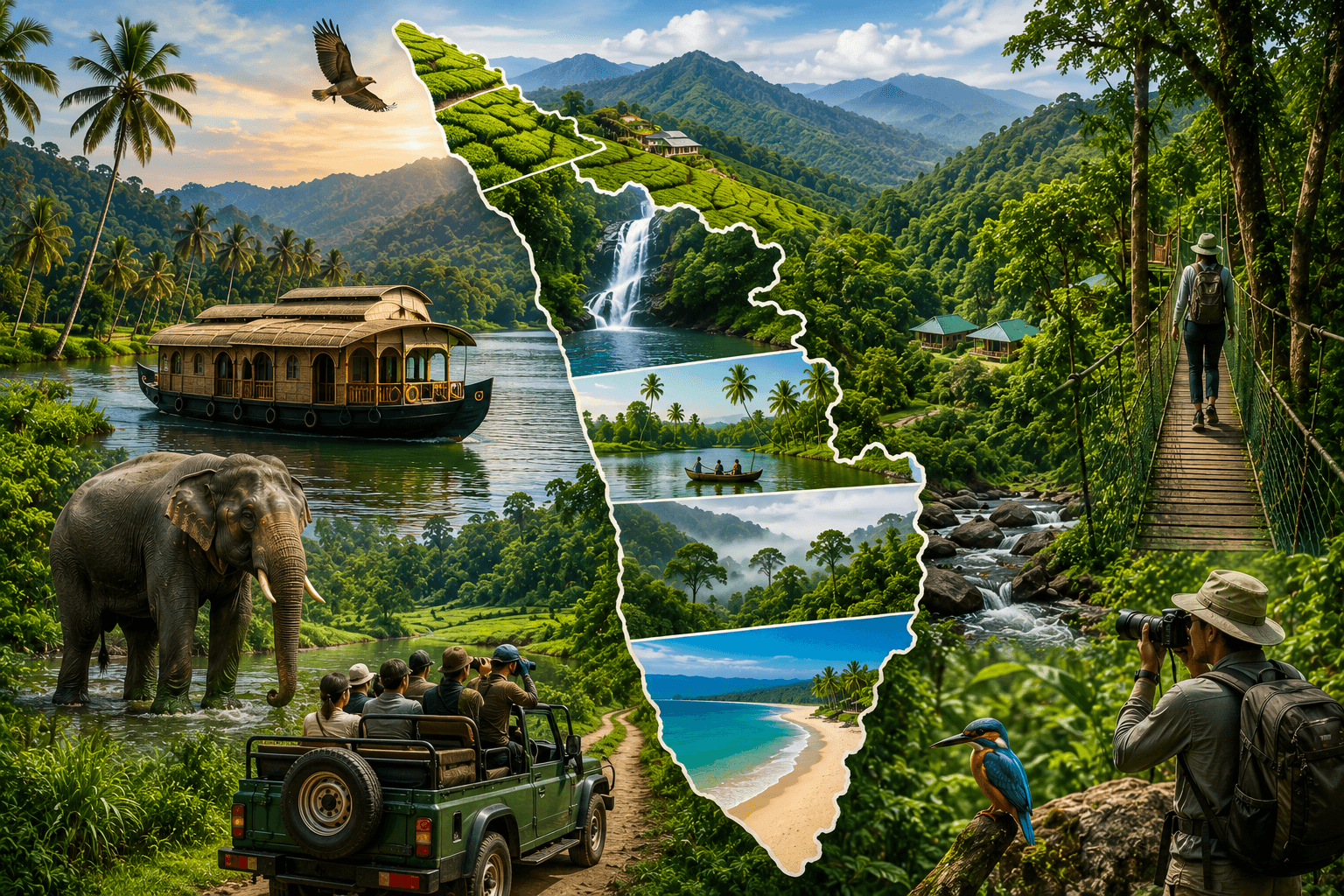
District-wise Ecotourism Guides
Kerala spearheaded some of the planet’s most triumphant community-led travel structures, setting a gold standard for nature protection and local self-reliance. Wanderer folk seeking to chart these lush terrains need organized field maps. This reality makes the District-wise Ecotourism Guides in Kerala vital assets for modern explorers. These thorough handbooks break down the region’s varied wild zones into simple, local packets. They let guests wander through untouched wilderness without leaving a heavy footprint behind.
Relying on the deep details within District-wise Ecotourism Guides in Kerala, travelers can drift smoothly from the fog-drenched peaks of Wayanad to the quiet mangrove thickets of Kollam. This deliberate method ensures that travel cash directly funds local preservation work. It feeds money straight back to the native tribes who watch over these fragile ecosystems.
Why Travelers Rely on District-wise Ecotourism Guides in Kerala
Each patch of land in this southern state holds a distinct wild habitat. These places demand very specific care. For example, the high grasslands of Idukki require entirely different protective steps than the watery shores of Alappuzha. Reading the District-wise Ecotourism Guides in Kerala helps unravel these tricky regional differences. They turn complex rules into simple steps for mindful travelers. Visitors get clear directions on managing trash, plastic bans, and wildlife distance rules for each tiny habitat. This specific knowledge keeps people from stepping on bird nests or rare plants. Local booklets ensure safety steps, forest escort contacts, and entry passes remain clear and current.
Key Regions Highlighted in District-wise Ecotourism Guides in Kerala
Studying specific areas in our green travel index shows how local planning shields fragile forests while offering deep, real-life encounters. Clean regional setups mean visitors can enjoy the state’s raw beauty without destroying its balance.
Wayanad Forest Defense Groups
Up in Wayanad, village-led groups focus on shielding vulnerable elephant paths and tall bamboo groves. The local guides here are trained tribal youths who hold deep, passed-down knowledge of animal tracking and forest plants.
Pathanamthitta and the Gavi Project
Further south, the mountain woods of Pathanamthitta house the noted Gavi eco-project. This program restricts daily private vehicle entries to thirty to keep noise low and wildlife calm.
Thiruvananthapuram Wildlife Sanctuaries
Down in Thiruvananthapuram, the Neyyar and Peppara sanctuaries use strict rules to handle hiking trails up the Agasthyakoodam summit. They cap daily climber numbers during the trekking season to protect rare mountain herbs.
How to Benefit from District-wise Ecotourism Guides in Kerala
Getting the absolute most out of the official District-wise Ecotourism Guides in Kerala requires careful planning and respect for local rules. First, travelers should scan the specific regional pages to find registered village tourism groups, known locally as Vana Samrakshana Samithis. Booking with these official forest guards ensures the majority of your fee goes directly to forest conservation and community welfare. Use these handbooks to check approved camp spots. This keeps you from taking illegal night hikes that scare nocturnal creatures. Packing only the gear recommended in the texts stops the spread of foreign weed seeds on dirty boots. Travelers must also schedule their trips outside heavy monsoon weeks to prevent trail damage on steep slopes.
Economic and Environmental Perks of District-wise Ecotourism Guides in Kerala
Carefully planned green travel has rewritten the financial story of rural villages. It has turned former hunters and woodcutters into fierce forest defenders. In Periyar, reformed poachers now lead the tiger trail hikes. They use their sharp knowledge of the jungle to shield wildlife while earning a steady pay. Records from the state forest department highlight that local community-led programs have successfully restored extensive tracts of degraded forest land through participatory afforestation projects. These wins stem directly from the clear rules in the District-wise Ecotourism Guides in Kerala. These texts enforce strict profit-sharing rules between the government and village boards. By following these green guidebooks, rural towns see forest care as a source of lasting economic strength.
The Future of Conservation with District-wise Ecotourism Guides in Kerala
Adding digital maps and real-time crowd tracking marks the next step in green trip planning. Coming versions of the District-wise Ecotourism Guides in Kerala will show live visitor counts to stop overcrowding at delicate spots like the Thenmala Ecotourism Zone. By spreading foot traffic to lesser-known hideaways, the state can ease the strain on famous national parks. This balanced model shields soft river banks and stops soil hardening on busy wilderness trails. Adopting these smart frameworks lets travelers take part in a healing travel style that leaves wilderness areas better than they found them.
Choosing an organized path for nature trips is key to shielding weak ecosystems and helping native populations. Relying on the District-wise Ecotourism Guides in Kerala helps travelers make smart, moral choices that protect the heritage of the Western Ghats and sandy shores. The most vital rules for mindful guests are booking only through village-run forest committees, following local waste and wildlife rules, and picking off-peak months to stop soil wear. Sticking to these structured steps ensures the raw beauty of the region stays whole for the youth of tomorrow.

All Categories
- Adventure Treks
- Best Ecotourism Destinations in Kerala
- Bird Sanctuaries
- District-wise Ecotourism Guides
- Ecotourism Destinations
- Famous Waterfalls
- Forest Walks
- Hidden Nature Destinations
- Hidden Waterfalls
- Monsoon Waterfalls
- Mountain Hiking
- National Parks
- Offbeat Places to Visit
- Tiger Reserves
- Trekking & Hiking
- Trekking Trails
- Uncategorized
- Waterfalls of Kerala
- Wildlife & National Parks
- Wildlife Photography Spots
- Wildlife Sanctuaries